
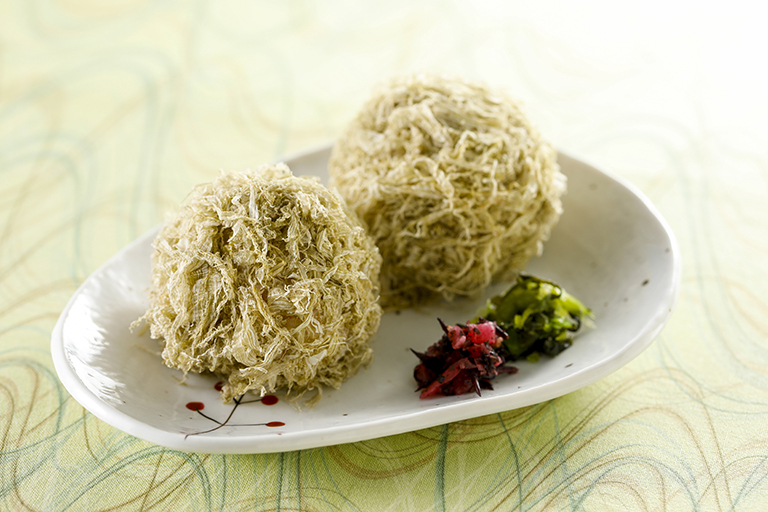
Umeboshi Onigiri with Tororo Kombu
Onigiri needs no cooking, no technique, and about ten minutes — which is why it's what Japanese kitchens produce on autopilot. This version mixes chopped umeboshi through the rice and swaps the usual nori for tororo kombu: gossamer shavings of kelp that cling to the rice like edible mist.
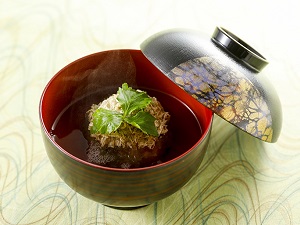
The best part is the second act: pour hot water or green tea over a leftover onigiri and it collapses into ochazuke, a soothing rice soup. One recipe, two meals, zero effort.
Ingredients
Onigiri
- Cooked ricewhite or brown rice1 bowl (about 1 cup)
- Tororo kombu (shaved kelp)see substitutionsa generous pinch
- Umeboshi (pickled plum)1 to 2
- Coarse salta little
Ochazuke variation
- Hot water or green teato cover
- Mitsuba or scalliona little
- Soy saucea few drops (optional)
Nutrition
per serving🛒 Ingredient notes & substitutions
Tororo kombu: Feather-light shavings of vinegared kelp that melt on the tongue — look for it near the seaweed at Japanese groceries. No substitute matches the texture; torn nori gives a different but classic onigiri instead.
Umeboshi: Salty-sour pickled plums, sold in tubs at Asian groceries. Start with one — brands vary a lot in salt and sharpness.
Instructions
Pit and chop the umeboshi, then mix it through the rice with a small pinch of salt.
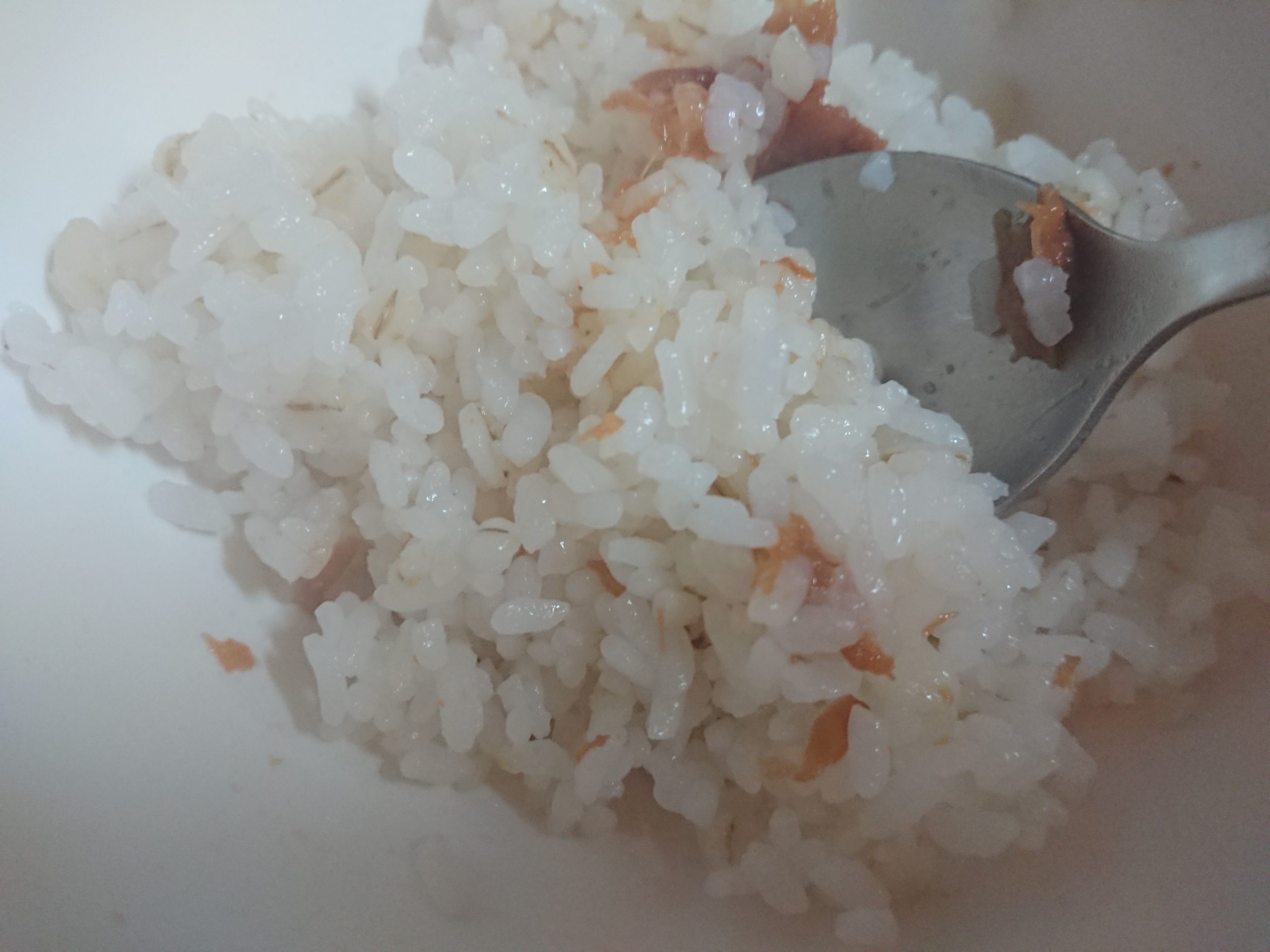
Wet your hands and press the rice into a round ball.

Wrap the whole ball in a fluffy layer of tororo kombu.

That's it — plate and eat.
Bonus move: drop the onigiri in a bowl, add a little mitsuba, and pour hot water or green tea over it. Break it apart as you eat — instant ochazuke (rice soup).
Tips
Wet hands are the entire secret to onigiri that hold together without sticking to you.
The umeboshi-kombu pairing isn't random: the plum's sharpness against the kelp's mellow umami is a combination Japanese cooks have trusted for generations — and both keep well, which is why this is such reliable lunchbox food.