

Kabocha Okara Cookies (Vegan & Flourless)
Kabocha — Japan's dense, chestnut-sweet winter squash — does most of the work in these cookies. The rest is okara powder: dried soy pulp left over from tofu-making, which Japanese home bakers prize for being absurdly high in fiber and gently nutty.
The result is a four-ingredient-plus-spice cookie with no flour, butter or eggs — 13 grams of fiber per serving, and exactly the thing for an afternoon tea break that doesn't derail the day.
Ingredients
- Kabocha squashor butternut squash5 oz
- Maple syrup2 Tbsp
- Unsweetened soy milk1 Tbsp
- Untoasted sesame oilor any neutral oil3 Tbsp
- Okara powder (dried soy pulp)see substitutions1/2 cup
- Cinnamon (optional)to taste
Nutrition
per serving🛒 Ingredient notes & substitutions
Okara powder: Dried soy pulp — the fiber-rich byproduct of making tofu, and a beloved baking ingredient in Japan. Find it at Japanese groceries or online ("okara powder" / "soy pulp powder"). This recipe is built around its absorbency, so there's no perfect substitute — it's worth the small hunt.
Kabocha: Butternut squash or even sweet potato work; both are a touch wetter than kabocha, so add a little more okara powder if the dough feels sticky.
Instructions
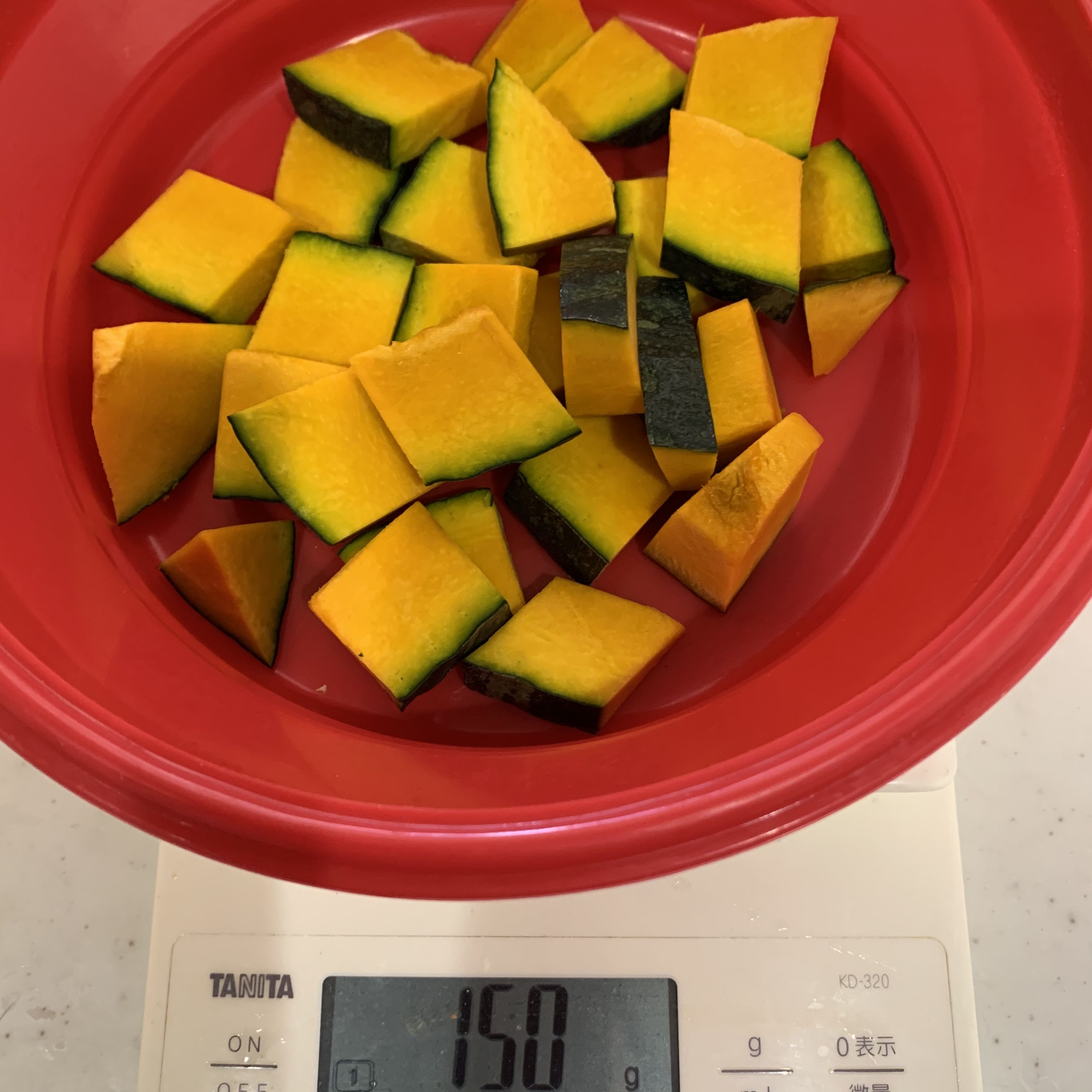
Cut the kabocha into small pieces and microwave about 4 minutes, until soft.
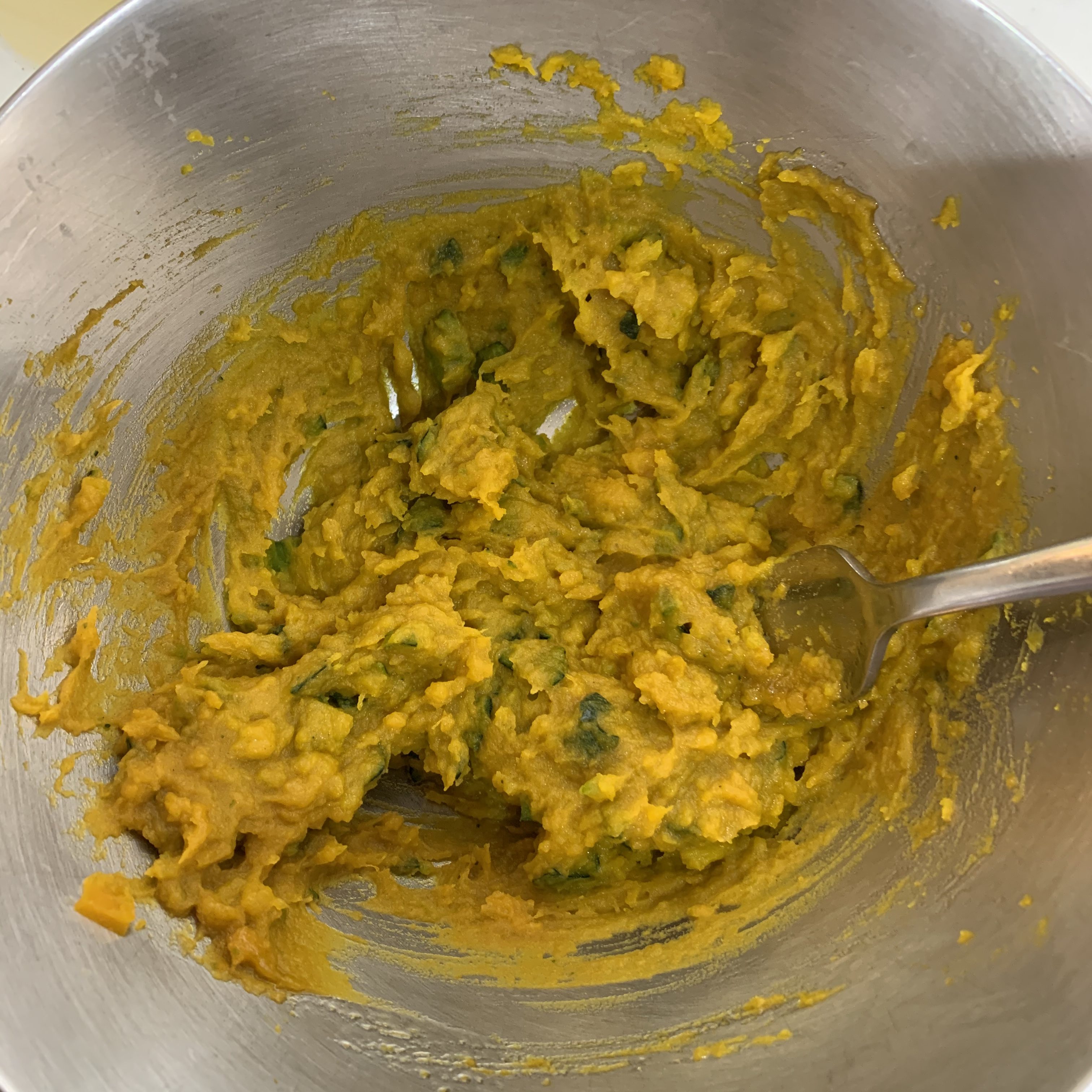
Mash the kabocha well with a fork in a bowl, then mix in the oil, maple syrup and cinnamon.
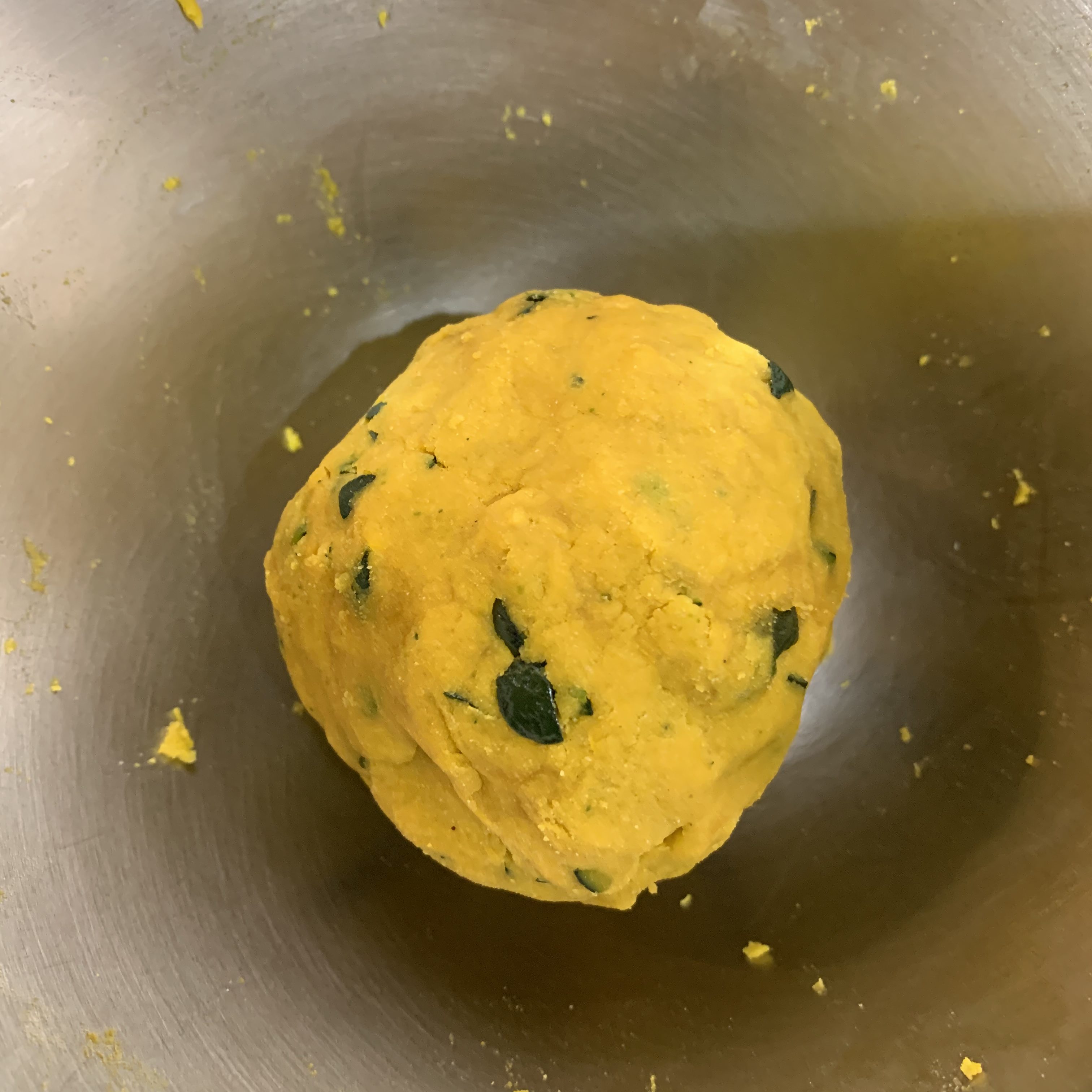
Add the okara powder, mix well, and bring the dough together with your hands at the end.
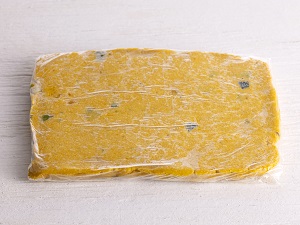
Roll the dough out to 1/4 inch (5 mm) between sheets of plastic wrap and freeze for 1 hour. Cut with cookie cutters, place on a lined baking sheet, and bake at 340°F (170°C) for about 15 minutes.
Tips
Okara powder drinks up moisture — if the dough gets hard to handle, add a little more oil. And since squashes vary, treat the soy milk and oil amounts as adjustable.
These are deliberately barely-sweet, letting the kabocha do the talking. Sweet tooth? Add more maple syrup.